Washing hair after hair transplant: Recommendations and instructions for Hair washing

Washing hair after hair transplant: Recommendations and instructions for Hair washing

By

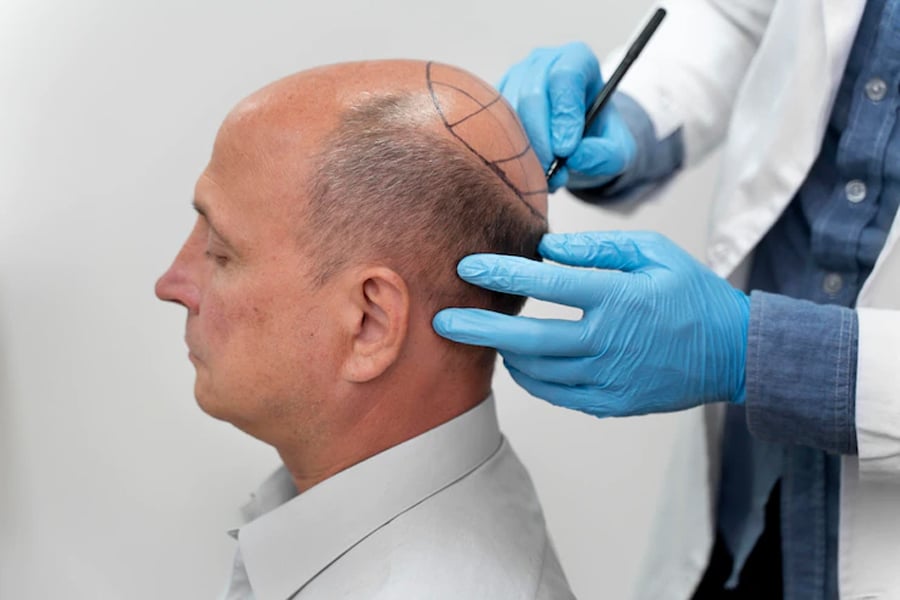
Learn about washing hair after hair transplant! A hair transplant is a surgical procedure that involves removing hair follicles from one part of the scalp to areas that suffer from hair loss. Although the results of this procedure can be long-term life-changing, they can not be fulfilled without the proper care routine after the operation. One of the most important aspects of post-transplant care is washing hair after a hair transplant, the issue this article discusses in detail.

Table of contents: 

The First wash after a hair transplant

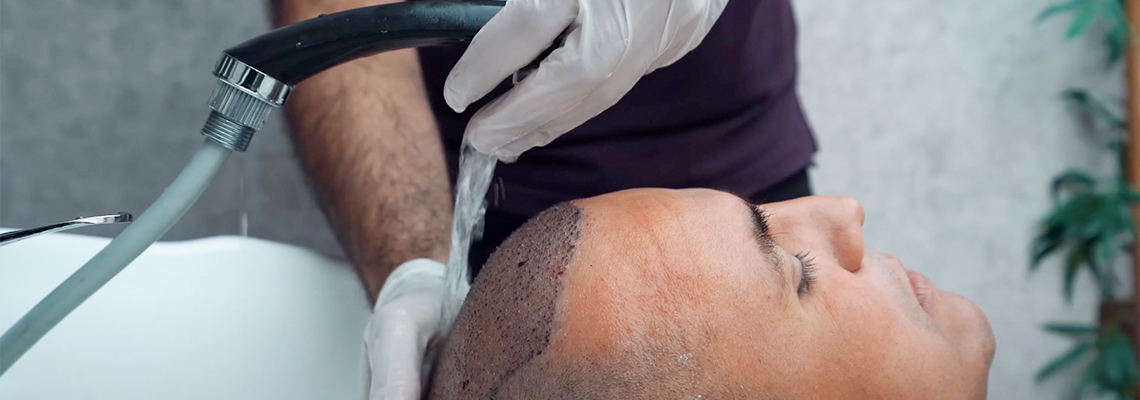
The first medical precaution to be followed after a hair transplant surgery is to avoid washing the hair at least for three days. The reason behind that is to give sufficient time for the transplanted hair follicles to lodge in the new area. Washing hair right after the operation can affect the follicles leading to losing them besides washing can affect the sensitive scalp and cause more discomfort. Thus even after the first few days, the patient needs to wash the hair gently, avoid applying any harsh products, and take care of the water warmth degree as the hot water can damage the new hair follicles.

Related articles 

When to wash hair normally after a hair transplant

As we discussed before, the manner of hair washing after a hair transplant is different from the normal washing as follows:

  1. No rubbing or scrubbing is allowed to apply on the scalp after the operation. 

  2. Gentle massaging by the fingertips is the way to distribute the shampoo over the scalp. 

  3. Avoiding brushing the hair during the washing. 

  4. Thorough rinsing is necessary to remove any residues of the used products to avoid any infection. 

This way of hair washing after a hair transplant can be followed until the follicles start to grow and the results begin to appear which normally takes several months.
Washing hair after hair transplant 

How often do you wash your hair after a hair transplant?

In the first period after the hair transplant, frequent hair washing is not suggested. After the first weeks, the patient can wash their hair by following the proper guidelines. The times to wash the hair can be consulted with the specialist.

When can I rub my head after a hair transplant?

Rubbing or scrubbing the head after a hair transplant is one of the factors that heavily affect the result of the procedure especially in the first weeks. As the follicles are still unstilled in the scalp any vigorous movement can lead to the loss of these follicles. Basically, the doctors do not recommend using a comb or brush at least three weeks after the surgery.

Best shampoo to use after a hair transplant

Generally, the recommended products to use after a hair transplant surgery are those which do not include many chemicals that can affect the scalp and the transplanted follicles. Gentle and unscented shampoos are recommended in the first weeks after the procedure. In addition to the importance of shampoo ingredients, also the way to apply it is crucial. The doctor will prescribe a suitable shampoo to use after the transplantation.

Resources: 

Licenses & Certifications

Trademark Certificate
Ministry of Health Certificate
Tourism Agency Certificate
Certification
Certification
Certification
Certification
Certification
× Certificate

Recent Blogs

Dental Amalgam Fillings: Safety, Risks, Benefits & When to Replace Them

Dental amalgam fillings are metal-based restorations used to repair teeth damaged by decay. Often called silver fillings, they contain a mixture of mercury, silver, tin, and copper. Amalgam has been u...

Bite Adjustment (Occlusal Adjustment): Symptoms, Treatment & Recovery

A bite adjustment, also called an occlusal adjustment, is a dental procedure that corrects specific problems in how the upper and lower teeth contact each other. It may involve making small modificati...

Dental Crowns and Medical Conditions: Who Can Get Them Safely?

Can you get dental crowns if you have a medical condition? Most patients with controlled diabetes, high blood pressure, heart disease, or osteoporosis can receive dental crowns when their oral health ...

Dental Implants and Medical Conditions: Who Is Eligible and Which Medications Are Risky?

Can you get dental implants if you have a medical condition? Many patients with diabetes, high blood pressure, cardiovascular disease, or osteoporosis can receive dental implants when their conditions...

Hollywood Smile and Medical Conditions: Who Is Eligible and When Is It Unsafe?

Can you get a Hollywood Smile if you have a medical condition? In many cases, yes. Patients with controlled medical conditions may be eligible for cosmetic dental treatment, including veneers, crowns,...

Dental Cap Price: USA vs UK vs Turkey Cost Comparison

How much does a dental cap cost? In the United States, a dental cap typically costs hundreds to several thousand dollars, depending on the material, location, and treatment requirements. In the United...

Temporary Dental Prostheses After Implants: High-Risk Cases and Safer Options

Temporary dental prostheses after implant surgery may be considered high risk when implants lack sufficient initial stability, jawbone support is limited, or the temporary restoration places excessive...

Dental Crown Types and Costs in Turkey: Zirconia, E-max & Porcelain

The most common dental crown types include zirconia, E-max, porcelain-fused-to-metal, all-ceramic, and metal crowns. Each material has different advantages in strength, appearance, cost, and suitabili...

Contact

Need Help!

Check your teeth with AI Check your teeth with AI