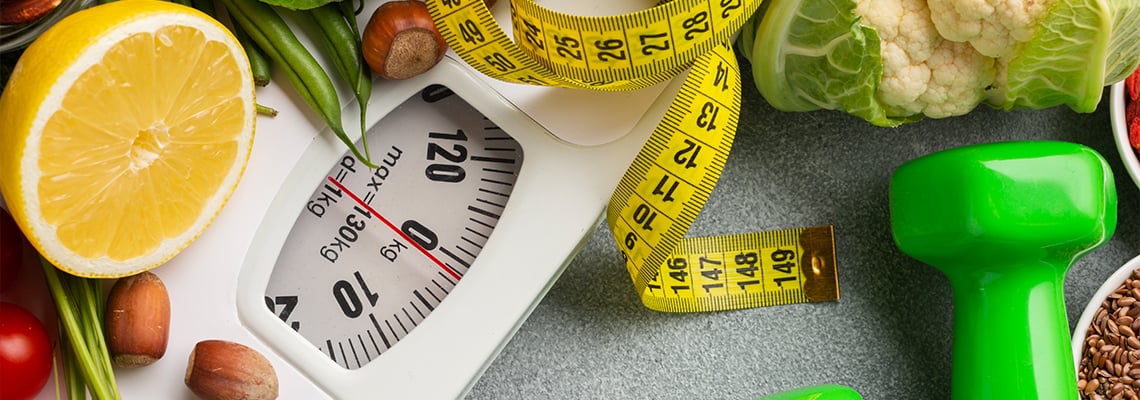
Learn about Sleeve gastrectomy diet! Sleeve gastrectomy is one of the bariatric surgeries that aim to achieve significant weight loss through the surgical reduction of the stomach. This procedure can be followed for patients who are suffering from obesity and cannot lose weight through conventional methods. In order for the procedure to reach the goal a sleeve gastrectomy diet routine needs to be followed strictly.
Table of contents:
- Pre-op sleeve gastrectomy diet
- What foods are forbidden after gastric sleeve?
- Can you ever eat normal after gastric sleeve?
- What to eat after sleeve gastrectomy week by week
- 1st week post-op gastric sleeve diet
- Week 2 post-op gastric sleeve diet
- Week 3 gastric sleeve diet
- Week 4 gastric sleeve diet
- Week 5 gastric sleeve diet
- Long-term post-op diet instructions after gastric sleeve surgery
Pre-op sleeve gastrectomy diet:
The diet routine which is dedicated to patients who have a gastric sleeve operation starts before the surgery. The dietician decides when to start following the pre-gastric sleeve diet system according to the case.
Many centers and clinics prefer to start a couple of months before the surgery, while others start a pre sleeve gastrectomy diet two weeks before the operation. Whatever the duration of following the diet, the essential purpose is to reduce the accumulated fats in the liver as possible.
These fats, which resulted from obesity, enlarge the liver located beside the stomach. That leads to a more prolonged and risky sleeve gastrectomy operation. Moreover, following a pre gastric sleeve diet helps the body to adapt more to the surgical changes, fasten the healing process, and make the patient get used to the post-op diet routine easily.
The sleeve gastrectomy diet pre-op includes many restrictions and instructions. The main foods to avoid through this period are carbohydrates, fats, and sweets. The patient needs to eat proteins, vegetables, and low-calorie fluids.
With heading to the date of the operation the diet will include more liquids.
It goes without saying that smoking, Alcohol intake, and highly caffeinated drinks are prohibited.
Some medications also need to be stopped before the surgery in coordination with the specialists.

Related articles:
What foods are forbidden after gastric sleeve?
The strict gastric sleeve post-op diet forbids many food categories and medications such as:
-
High sugars like sweets and candies.
-
Non-nutrient diet as most of the canned foods.
-
Unhealthy food that contains trans fat, processed and fast foods.
-
Smoke and alcohol are also prohibited after the surgery.
-
Some medications such as non-steroids are not recommended as they affect the stomach coat.
Can you ever eat normal after gastric sleeve?
In the first weeks, the eating behaviors of the patient will change dramatically. But gradually the patient can add different kinds of food to the allowed list. In the long-term diet plan, the patient after gastric sleeve can-to a high degree- eat normally.
What to eat after sleeve gastrectomy week by week:
To maintain the result of the surgery and avoid side effects, a post-bariatric surgery meal plan is made by the specialist to clarify what to intake and what to avoid in each first five weeks as follows.
1st week post-op gastric sleeve diet:
In the first week of the post-gastric sleeve diet regimen, the patient continues the liquid-based diet that followed pre the operation.
A liquid diet is necessary to avoid common post-sleeve gastrectomy complications such as dehydration, diarrhea or constipation, and gastric leakage.
As the healing process takes place in the first week, the patient has to pay attention to the post-sleeve gastrectomy diet through:
- Staying hydrated, by drinking plenty of water and other nutritious liquids.
- Avoid drinks that involve caffeine as it causes dehydration and acid reflux.
- Avoid any sugar-contained foods, as they cause nausea, fatigue, and diarrhea. Even after the recovery period intake of sugars is not recommended.
- Avoid carbonated beverages of all kinds as they cause gas formation.
Week 2 post-op gastric sleeve diet:
In the second week of the sleeve gastrectomy diet post-op routine, the patient continues to rely on the liquid-based diet.
The stomach is not yet ready to receive solid food although many patients feel the desire to eat more in this stage.
Besides the instructions of the first week that include avoiding sugar, caffeine, and carbonated beverages, the patient will be prescribed to eat the following:
-
Instant breakfast drinks.
-
Sugar-free nutrition shakes.
-
thinned oatmeal or wheat cereal.
-
Small amounts of soft and cream-based soups.
-
Sugar-free milk and pudding.
-
Diluted fruit juice.
-
Sugar and fat-free frozen or greek yogurt.
Week 3 gastric sleeve diet:
In the third week of the after-gastric sleeve diet plan, the patient can add soft or pureed foods. What matters most at this stage is the manner of eating. Thorough chewing and slow eating are crucial.
The patient needs to increase their protein intake. Besides the previous food list, other food kinds can be added such as:
- cooked white fish
- soft egg
- soft soups
- hummus
- smashed fruits
- soft cheese
- pureed avocado
Solid food, caffeine, and sugars are still prevented.
Week 4 gastric sleeve diet:
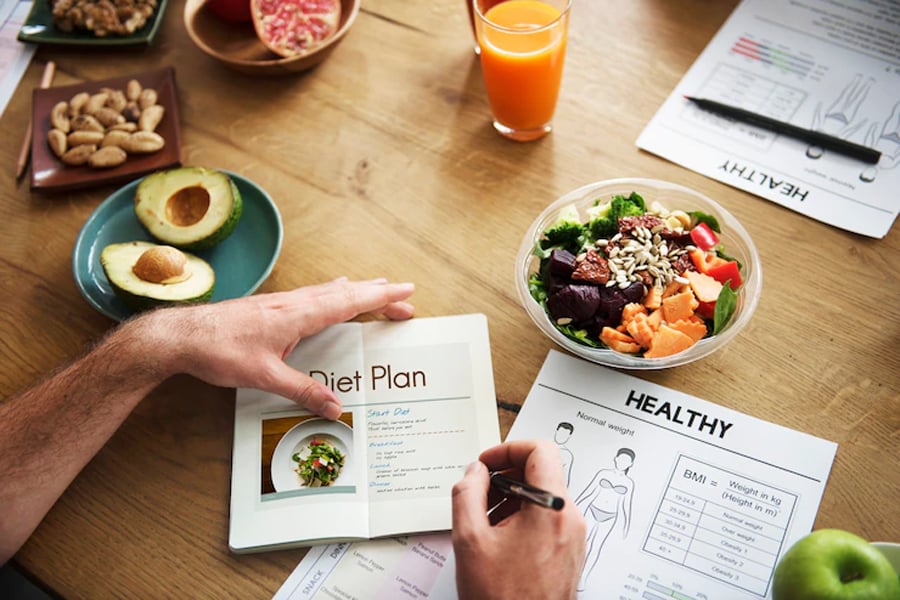
During the fourth week, the patient can gradually add solid food to the post Sleeve gastrectomy diet.
The main issue during this period is to develop healthy eating behaviors that will extend with the patient to the next phases.
Nevertheless, high sugar and fat-contained foods are prevented, besides the high carb choices. The main food list that is allowed for the fourth week includes:
-
Fruits
-
cereals
-
sweet potatoes
-
low- fat cheese
-
cooked vegetables
-
cooked fish and chicken
Week 5 gastric sleeve diet:
After a month of gastric sleeve operation, and the gradual addition of the diet elements, the fifth week is the time to establish the long-term diet routine. The main focus of this routine will be on vegetables and proteins.
While doing so, the patient needs to start to include foods one by one to ensure that there is no reactionary effect on the body.
Although reaching this stage means that the patient can include different kinds of food, it is still important to pick a healthy diet and avoid sugars and soda to preserve the results of the surgery. At this point, the normal eating routine can be restored, three meals a day with healthy snacks and water can be followed from now on.
Long-term post-op diet instructions after gastric sleeve surgery:
After the fifth week, the patient with their doctor needs to put in a long-term diet plan, this plan may include the following:
-
Paying attention to the eating speed and behaviors, the patient needs to chew carefully and eat slowly.
-
Being aware of emotional eating that does not necessarily reflect the body's need for food.
-
Avoid overeating, and rely on soft food as possible.
-
Determine the supplements and vitamins that are necessary to be taken after the surgery
-
Stay hydrated, by establishing a diet routine that includes plenty of water intake.
-
Although the meal plan is so important, exercising is also crucial in keeping the body healthy and maintaining the desired results.
Resources:
- Sleeve gastrectomy
- Sleeve gastrectomy - Mayo Clinic
- Gastric Sleeve Diet
- Gastric Sleeve Diet: What to Eat After Surgery Week by Week (healthline.com)
- Bariatric Surgery Diet: What You'll Eat Before Surgery
- Bariatric Surgery Diet: What You'll Eat Before Surgery (webmd.com)
- What Is Gastric Sleeve Weight Loss Surgery?
- Gastric Sleeve Surgery for Weight Loss: Procedure, Risks, Recovery (webmd.com)