Are you dreaming of a perfect smile? Veneers can be a fantastic way to enhance your teeth's appearance. But with so many options available, choosing the right veneers can feel overwhelming. This comprehensive guide will help you navigate the process, ensuring you get the best results for your unique needs.
Table of contents:
- How to choose the best veneer color?
- How do you choose the best teeth shape or veneer shape?
- What is the most attractive shape of female teeth?
- What is the most attractive teeth shape for males?
- How does Mira Clinic choose the best veneers for you?
How to choose the best veneer color?
Choosing the right veneer color is crucial for achieving a natural and beautiful smile. A well-matched veneer color can significantly enhance your appearance, while a poorly chosen one can look artificial and draw unwanted attention.
Here are some tips to help you choose the best veneers color:
Consider your natural teeth color
Your veneers should complement your natural teeth, not clash with them. Aim for a shade that is slightly lighter than your natural teeth, but not so white that it looks unnatural. A good rule of thumb is to choose a shade that is within two shades of your natural teeth.
Related articles:
- Veneers teeth pros and cons
- Emax Veneers: Pros and Cons
- Veneers vs Lumineers: Longevity, appearance, and cost
Consider the overall tone of your teeth. Are they warm (yellowish) or cool (bluish)? Choose a veneer color that matches the undertone of your natural teeth. For example, if your teeth have a warm undertone, a warm shade of white will look more natural. If your teeth have a cool undertone, a cooler shade of white will be more flattering.
Think about the level of light that passes through your natural teeth. If your teeth are translucent, you may want to choose a veneer material that is also translucent, such as porcelain. This will help to create a more natural-looking result.
Match Your Skin Tone
Your skin tone plays a significant role in determining the best veneer color for you. People with fair skin often look best with cooler shades of white, as these colors can help to brighten the complexion. On the other hand, people with warmer skin tones may prefer warmer shades of white, as these colors can help to enhance their natural glow.
It's important to consider the undertones of your skin as well. If you have cool undertones, a cooler shade of white will be more flattering. If you have warm undertones, a warmer shade of white will be more flattering.
You can also consider the color of your eyes and hair when choosing a veneer color. For example, if you have blue eyes and blonde hair, a cooler shade of white may be a good choice. If you have brown eyes and dark hair, a warmer shade of white may be a better option.
Consult with your dentist.
Your dentist's expertise is invaluable in selecting the perfect veneer color. They possess a keen eye for detail and a deep understanding of how different shades interact with your unique facial features. By considering your natural teeth color, skin tone, and overall aesthetic goals, your dentist can guide you towards a veneer color that will harmonize with your appearance and enhance your smile's natural beauty.
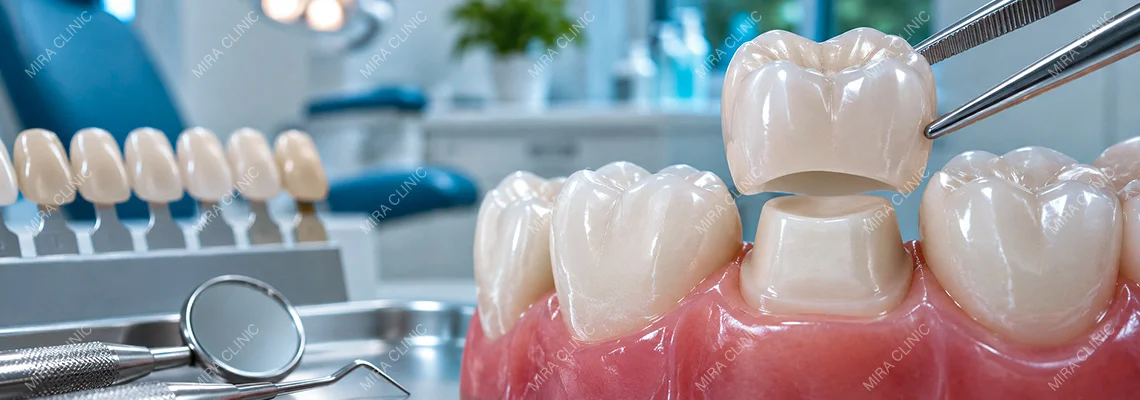
Don't hesitate to ask your dentist for their professional opinion and to share any specific preferences or concerns you may have. They can provide you with a shade guide or digital mock-up to help you visualize different options and make an informed decision.
_1732189298.jpg)
How do you choose the best teeth shape or veneer shape?
The right veneer shape can work wonders for your smile and overall facial harmony. To achieve the most flattering look, it's crucial to choose a shape that complements your unique facial features. Here's a guide to help you determine the best teeth shape for your face:
Best teeth shape for a round face
For round faces, longer, more rectangular teeth can help elongate the face and create a more balanced look. The elongated shape can visually draw the eye upward, making the face appear less round. Avoid overly rounded teeth, as they can accentuate the roundness of your face and make it appear even fuller.
Best teeth shape for oval face.
Oval faces are considered ideal, and most tooth shapes can complement this facial structure. However, slightly squared-off teeth can add a touch of definition and balance to the face. The squared-off shape can create a more angular look, which can help to break up the roundness of the face.
Best teeth shape for a long face.
For long faces, wider, square teeth can help shorten the appearance of the face and create a more balanced look. The wider shape can visually widen the face, making it appear less elongated. Avoid overly long or narrow teeth, as they can make your face appear even longer and more stretched.
What is the most attractive female teeth shape?
The most attractive female teeth shape is generally considered to be a slightly tapered-ovoid shape. This shape, which is wider at the gum line and tapers towards the tip, creates a natural and feminine look. It's associated with youthfulness and beauty.
What is the most attractive teeth shape for males?
The most attractive teeth shape for males often leans towards a more squared-off or rectangular shape. This shape is associated with strength, confidence, and masculinity. A slightly tapered rectangular shape, where the teeth are wider at the gumline and taper towards the tip, can create a balanced and aesthetically pleasing look.
How does Mira Clinic choose the best veneers for you?
At Mira Clinic in Istanbul, we carefully select the best veneers for each patient through a meticulous process:
-
Personalized Consultation: Our experienced dentists conduct a comprehensive consultation to understand your unique needs, preferences, and smile goals.
-
Digital Smile Design: We utilize advanced technology to create a customized digital smile design, allowing you to visualize the potential outcome before treatment.
-
Material Selection: We offer a range of high-quality veneer materials, including porcelain and composite, each with its own advantages. Our dentists will recommend the most suitable material based on your specific requirements and budget.
-
Shade Matching: Precision is key when it comes to achieving a natural-looking smile. We meticulously match the shade of your veneers to your existing teeth, ensuring a seamless and aesthetically pleasing result.
-
Preparation and Placement: Our skilled dentists carefully prepare your teeth and bond the veneers in place, paying close attention to detail to ensure optimal fit and function.
It's important to remember that beauty is subjective and what's considered attractive can vary from person to person and culture to culture. Book your consultation with Mira Clinic today and take the first step toward an attractive smile.
_1732189226.jpg)
Sources:
- What to Know Before You Get Dental Veneers
- https://www.healthline.com/health/dental-veneers